Our space project
Our space project
BY HOPE FOR LIFE UGANDA
Implementation, Impact, and Sustainability
Our space project was a regional project implemented in the slum Uganda, Kenya, and Zambia. The project goal was to contribute to enhancing Youth Civic Empowerment and Participation in decision-making processes in public affairs across the three countries through Increased youth and women participation, inclusion, and representation at the regional level. The project reached directly to >4300 young people and expected to indirectly impact >21,500 beneficiaries through tier peer to peer approach, where 1 direct beneficiary is expected to reach out to 5 peers in their circle.
In Zambia, only 6 members of parliament are below 35 years of age, out of the 150 Members of parliament, representing only 4% of youth representation. In Kampala city, Uganda, civic spaces among young people in slum areas continue to shrink,90% of youth between 18 and 35 years reported not having been part of any local decision-making process. 4 in 5 young women between 18 and 25 living in slums of Kampala reported having experienced intimidation and violence during elections. In Kenya, a report presented by the Youth Cafe in 2019-2020 indicates that young people represent the largest demographic unit and political constituency > 75%, 75% or more. However, in the current parliament Youth representation of elected leaders between 20-30 years is still low at 25%
The main gaps in the three target countries where our space project was implemented were:
Structural barriers, legislative and policy challenges, and barriers related to electoral procedures and electoral processes.
The three countries' patriarchal societies represent a major structural barrier, traditionally assigning more power and resources to men than to youth and women in economic and political spaces. These resulting inequalities affect youth and women’s access to education, results into male dominated parties and job opportunities for men, which directly impact the skills and resources needed for political mobilization among youth and women in Zambia, Uganda, and Kenya, where politics is heavily monetized. Additionally, female candidates often face insults and ridicule during election campaigns.
Youth have limited time to develop skills and knowledge for decision-making, and Youth organizations, being uncoordinated, lack spaces, forums, and funds to freely organize and participate in civic engagement.
Youth are preoccupied with academic pursuits or searching for jobs and have Limited Time allocation in decision-making. Many cannot participate in civic activities due to draconian laws and policies that hinder public gathering like the Public Order Management Act 2013 in Uganda.
Adults are resistant and not ready to share power with the youth, claiming that young people lack experience and are only inclined to violence, poor discipline, and leadership in youth organizations, being the key barriers resulting in election violence, massive vote rigging and bribery, low voter turnout, and escalated election monetization.
Limited knowledge about the regional youth political structures and representation among youths of Uganda and Kenya due to limited awareness campaigns by the East African Youth Assembly among its member states.
Limited knowledge about the electoral laws among young people in Kenya, Uganda, and Zambia due to limited coordination among CSOs and activists in all countries.
Increased election Monetization that bars young people, especially those with disabilities in Uganda, Zambia, and Kenya, from meaningfully participating and engaging in election campaigns.
Militarization of politics, where the militaries of the East African member states have usurped the election process, has resulted in election violence through threats, intimidation, arrests, and kidnappings.
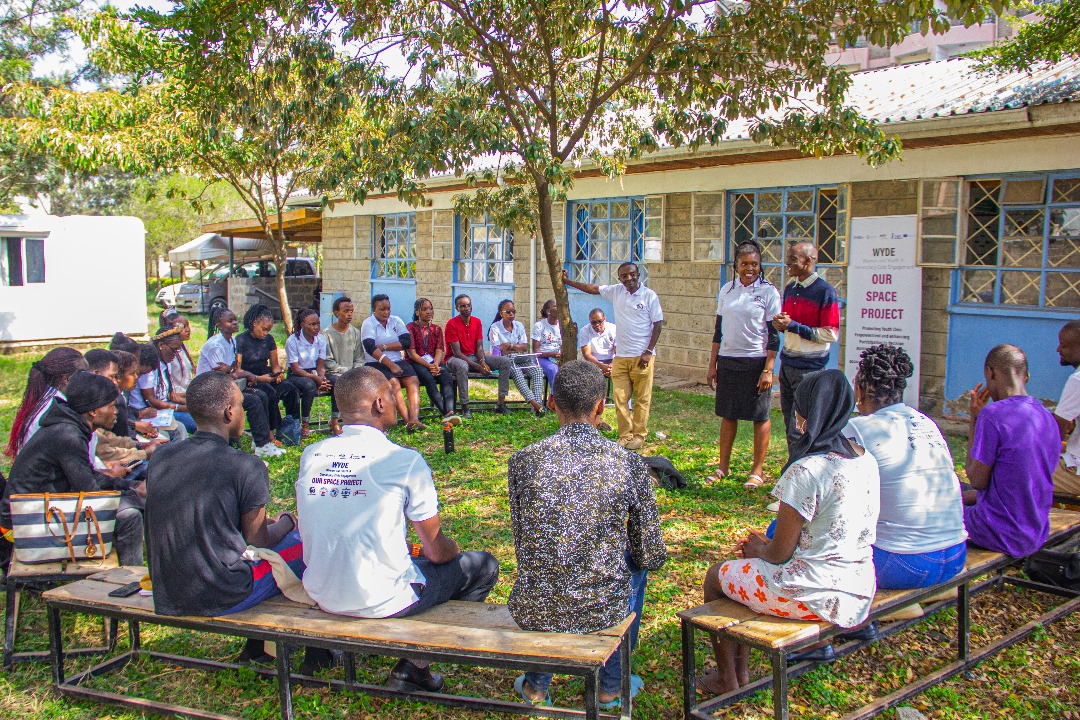
Therefore, this project was implemented under a consortium of 5 organizations that promoted Youth Civic Empowerment and enhanced participation in decision-making processes in public affairs via regional accountability mechanisms across Uganda, Kenya, and Zambia. Towards this goal, the project developed the capacities of youth civil society organizations and young citizens in advocacy and promoted effective cooperation through national and regional networks.
Project Implementation approach:
Impact
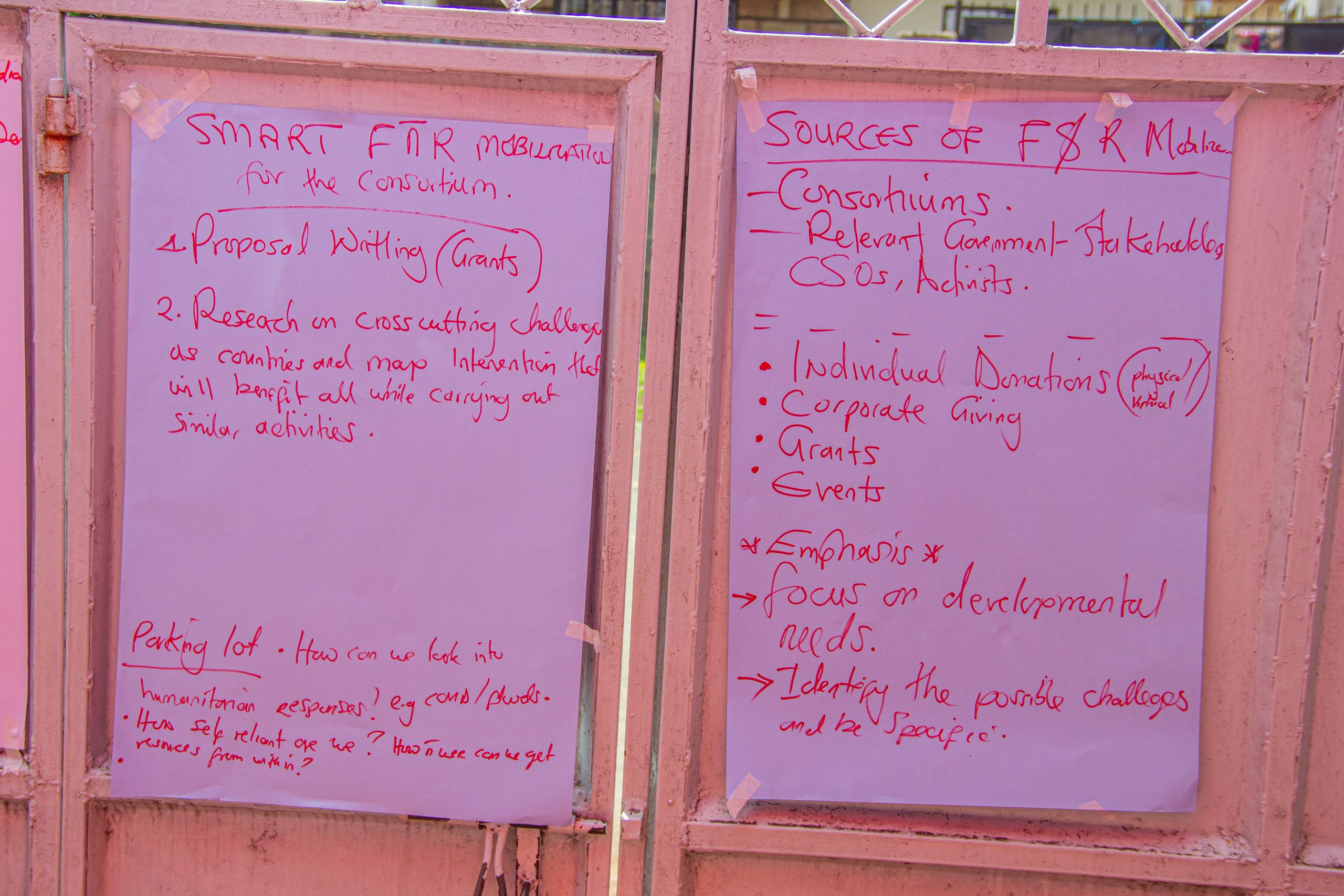
Some of the recommendations and suggestions to further sustain the gains of this project include.
There should be App development/prototype ,the app will create meaningful interaction between the leaders and their constituents, disseminate manifestos of aspiring young leaders, Conduct online regional polls and surveys to test and measure continuous learning and understanding of project beneficiaries, enable reporting of incidences related to electoral fraud, violence and other happenings, the platform will further have a feature on learning of leadership through connecting them to volunteer organizations that Our space project has been working with.
- A regional youth working group was created during the project to further steer civic engagements; however, its operation will require support to be able to coordinate and strengthen advocacy approaches implemented during the project.
- Their must be development of a mult-sectoral model to further harness meaningful youth and substantive participation, much as more dialogue and political conversations have been conducted, an economic model is required to further empower young people and women to be able to facilitate their candidancy.
- Continued Sub-granting schemes like WYDE program that funded our space project through ALDA,Elbarlament cultures of Democracy,People in Need,European partnership for Democracy and funded by European Union.
- Integrate Inclusive Youth Mentorship support and civic leadership development to produce young leaders that are ideologically and ethically read to dialogue and lead meaningful peace processes across the region.
- Inclusive youth and inter-generational local dialogues
- Support inclusive cross-boarder youth collaborations and trans-national exchange initiatives.
- Celebrate & Sustain the little youth contributions and efforts like WYDE cluster grants, which our space project has implemented.
- Support young people to co-create & co-design ideas and recognize them as experts of their own lived experiences in identifying what works and what doesn’t.
OUR PATTERNS AND FUNDERS